24 Hours To Improving Door Repair


Door Hardware and Hinges - How to Repair Them
Over time hinges and door hardware will begin to begin to show signs of wear. Fortunately, most problems can be fixed easily.
If a door rubs against the latch side, it's typically due to the bottom portion of jamb casing has shifted or lost its nails and is no longer fixed securely. This can be fixed using shims.
Hinges
Door hinges are among the most frequently used hardware that you will find in your home. As time passes, they could become loose and start to hang crooked or sagging. This can make it difficult to open or shut the door. This is a sign that you need to fix your door hinge screws.
The good news is that most door hinge problems are fairly easy to solve. You can use the tools you need to get loose hinges back to their original position, tighten the screws and then coat them in lubricant to stop further damage. If the problem is serious you may need to replace the hinges.
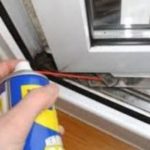
If your door hinges seem loose tap them gently using an hammer that is small. This will help raise the pin barrel, and move it away from the cup portion of the hinge. If the pin does not come loose, you can spray the hinge with penetrating oils and tap it again. If the sagging is on an external door, you can fix it using the weight or c-clamp that will hold the door in position while you attach the hinge.
A more serious problem occurs when the screw holes on a hinge strip are pushed out. This can cause the hinge to fall or leave a gap between the jamb of the door and the door. Stripped screw holes can be a little more difficult to repair however it is doable with the right tools and some patience.
There are many kinds of hinges. The most commonly used hinge is the mortise hinge that is a mortised edge of the door and jamb. It is made of steel and is available as elegant or basic. It is best suited to large doors or exterior doors.
Another kind of hinge is the flush hinge which is a very lightweight option that is usually employed in residential applications. It can be mortised at the edge and then attached with decorative metal or wooden trim pieces. This kind hinge is found on wooden gates, sheds and barn doors, or garage doors.
Strike Plate
A strike plate is a metal plate that is placed on the jamb of the door. It includes holes for the latch bolt. When the bolt is inserted into the hole, it is then used to hold the door and keep it shut. However, like other hardware parts, the strike plate could become loose or misaligned.
This can lead to the latch not seated within the strike plate, and therefore the latch not functioning. This is the point that shims are able to be used to help the latch sit. However, it's also possible that the strike plate requires to be moved either up or down. If this is the case a sharp wood chisel is recommended to take some of the wood from the door jamb to allow the strike plate to move into the proper position.
If adjusting the strike plate up or down does not fix the problem then it may be that the latch is hitting the strike plate either above or below the the strike plate. Close the door and put the strip of lipstick or an identical mark on the latch. The lipstick will leave a mark wherever it touches the strike plate and by looking at the marks you can see whether the latch is touching the strike plate above or below the hole. If the latch is above, an extended bolt might be required. If it's below, then you will have to take off the strike plate, and then expand it using an enlarger.
A lip strike plate with an extended lip is another option. This is a simple DIY solution that can be fitted to all doors. It will allow the latch to be positioned further into the strike plate and thus preventing the door from being kicked out. These are available in different lengths and finishes that match the existing hardware. Commercial locksmiths can help install replacement, repair, or replace strike plates for your business. They can also provide other security services to help you secure your property from burglars.
Sash
The sash is a part of the window that moves between up and down. It is fixed by two weights - one on each side of the frame, each of which is connected to a cord that pulls it up and back down as needed. If the cords fail, you need to string them again. Fortunately, this is relatively easy.
You'll need to remove first the top sash as well as its cords. Then you can pull the sash from underneath and put it aside, letting the good counterweights hold it in place while you string the new cords. Once the cords are inserted, you can put them back in the sash and replace the stop bead that is at the bottom.
The majority of old sash frames utilize pegs to join the mortise and the tenon joints. this requires a specific tool with pin punches and hammers to take them out. Modern sash windows could have replaced the pegs with glue, but you'll need to disassemble the window. Take out the beads that separate. Take off the upper sash along with its chains and cords. Remove the sash hardware.
When you are ready to put your sash back together, lubricate first the pulley wheels. Clean the sash components and frame, and apply wood hardener, if required. Then paint or stain them.
You can also repaint or re-paint your windows, especially when it has black spots or cracks. You can also install draughtproofing, which will aid in preventing air leaks.
The parting beads require reinstallation. They are usually closed with paint, and some are fitted with screws or nails holding them in place. To re-install the sash first make sure the sash horns are properly in position and the sash isn't bowed or pinched up by the astragals (the strips of wood between sashes that overlap). Attach the stop bead to the sash and angle it downwards. Then work your way down the sash. If the sash isn't falling freely you can try pulling it up and down by hand to see if you are able to find the hitch. If you can't locate it, you can use a nailgun or short screws to reconnect stops.
Stiles
Stiles are the vertical pieces of wood that go on either side of the door. Rails are horizontal pieces that run across the top and bottom edge of a door. They are used to hold the panels. The panels provide the door with a look. They are made from various materials and may have a flat or raised profile.
The frame of the door is comprised of bars and stiles, but a single piece wood is also a possibility. This type of construction is called flush doors and can be utilized in commercial projects.
While a framed door can be more difficult to deal with than flush doors but the end result is more attractive. It is a solid structure that resists the transfer of sound and also allows for greater design flexibility. The amount of panels and lites, for example can be altered in accordance with the style of design.
Stile and rail doors can be crafted out of wood, composite or metal. Masonite Architectural has a variety of options, including Aspiro or Cendura lines of doors. Regardless of door repair near me are usually heavy and require special care to ensure that they open and close smoothly. If you force the door too hard, it can harm the wood and cause damage and compromise the strength of the door.
When working on a stile and rail door, it is crucial to make use of the right tools. A router that has a coping bit will help you trim the stiles precisely to fit the tenons of the rails. But, you'll need to have some other tools available. These include a pair saw horses, some scrap wood and heavy-duty clamps like pipe clamps. Start with a small amount of wood to test the amount of pressure that can be applied to the joint.
To avoid the possibility of a lock conflict on doors with lites, the dimensions of the center panel or mullion should be increased. It is also recommended to increase the size of the cross rail or the mid rail. This will help strengthen the structure and keep the door from warping or cracking as a result the humidity or environmental conditions.